PDM’s Venaani questions plan to move oil and gas oversight to Presidency
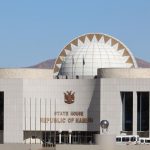


The State House of the Republic of Namibia (Photo by: Namibian Presidency/X)
A proposed law that would move oversight of the upstream oil and gas sector to the Presidency has ignited a political debate in the National Assembly, with Popular Democratic Movement (PDM) leader McHenry Venaani warning that lawmakers must not “rubber stamp” a decision with far-reaching implications.
The amendment bill, tabled this week, seeks to centralise control of the country’s fast growing oil and gas industry under the Office of the President, a move the government is expected to defend as a step toward streamlined coordination at the highest level as exploration and discoveries accelerate.
But Venaani says history demands caution.
Speaking in Parliament, the PDM president argued that legislators must be fully convinced that the change is necessary, justified, and in the public interest, particularly in a country still grappling with the fallout from corruption scandals.
“Before we agree to hand such enormous authority to one office, we must be certain this is in the best interest of transparency, accountability, and the Namibian people,” Venaani said, referencing the Fishrot fisheries corruption scandal and the more recent Namcor corruption case as reminders of how resource sectors can be vulnerable to abuse.
Namibia is on the cusp of becoming a major oil producer following significant offshore discoveries, a development that has raised the stakes around how the sector is governed, regulated, and safeguarded from political interference.
Critics fear that placing oversight directly under the Presidency could weaken institutional checks and balances. Supporters, however, argue that centralised authority could ensure faster decision-making, policy alignment, and national control over strategic resources.
The bill is expected to undergo further debate as lawmakers weigh governance concerns against the government’s case for tighter executive coordination in a sector poised to transform the country’s economy.
At the heart of the debate is a familiar national question: how to manage newfound natural wealth without repeating the governance failures of the past.