#MindBuzzer: Your Wisdom Teeth Could Heal Your Brain, Heart, and Joints-Is This True?
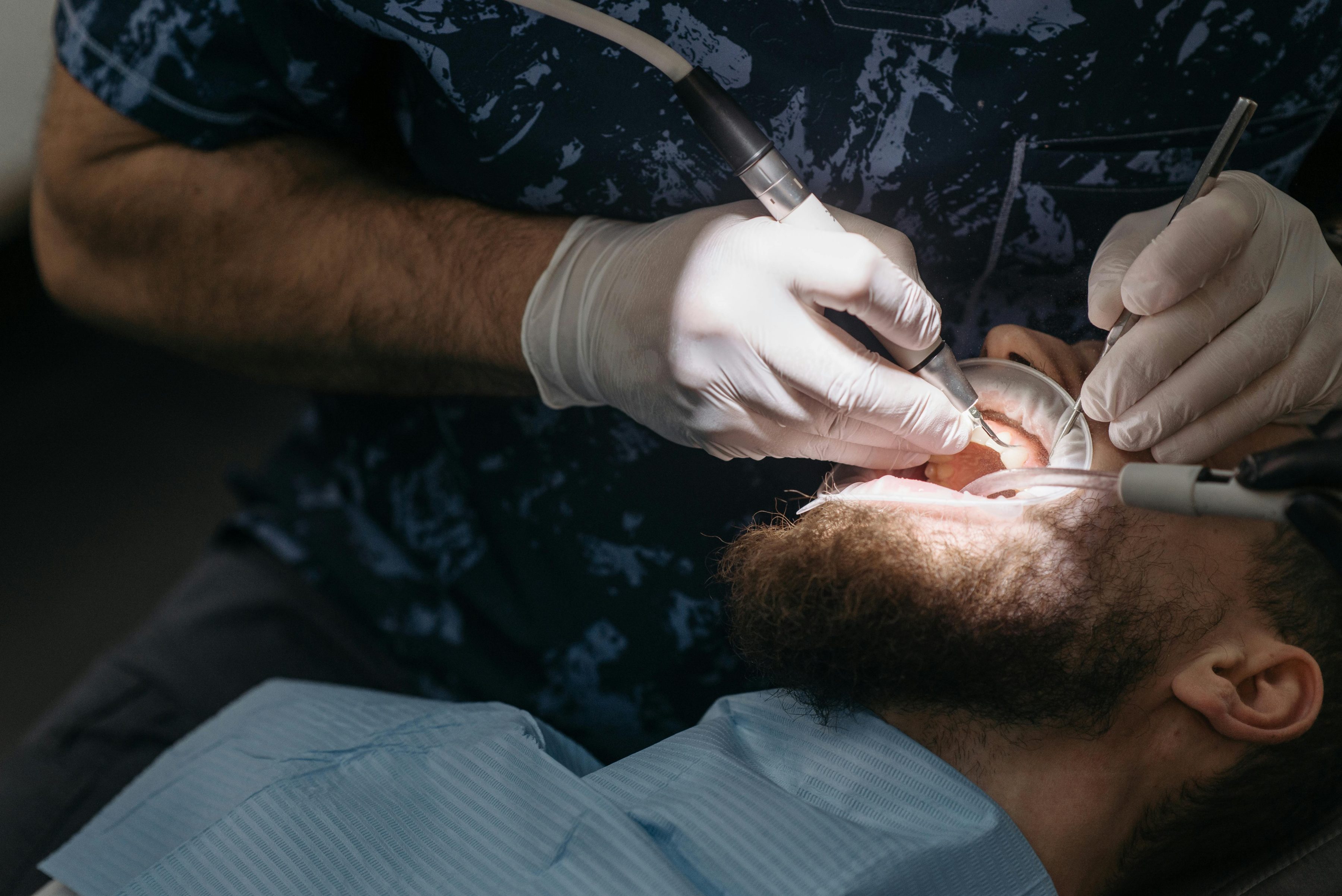
You might think wisdom teeth are just the last teeth you’ll ever want to see, until they’re gone. But behind the pain and the braces ruining reputation, there?s a surprising twist: those molars may harbour some of the most versatile stem cells in your body and scientists are exploring how they might one day help treat brain, heart, and joint disease.
What are wisdom tooth stem cells?
Wisdom teeth, like any tooth, contain a soft core called the dental pulp. Inside that pulp live dental pulp stem cells (DPSCs) a type of mesenchymal stem cell that can divide and transform into different cell types. In the lab, researchers have coaxed these cells to behave like nerve cells, bone cells, cartilage cells, and even cells that resemble heart tissue.
Because they are relatively easy to access (when you remove a tooth) and are often younger than many other stem cell sources, they’re an attractive option for regenerative medicine, the idea of repairing or replacing damaged tissues rather than just managing symptoms.
What has research actually shown?
Studies in animals and lab models suggest several tantalising possibilities:
- Brain and nervous system: In stroke like models, dental pulp stem cells have been shown to migrate to the injured area, reduce inflammation, and support the survival of nerve cells. This has led researchers to look at their potential for conditions such as stroke and certain neurodegenerative diseases.
- Joint and bone: Because these cells can differentiate into cartilage and bone cells, they’re being tested for joint repair applications, including early stage work on osteoarthritis and bone regeneration challenges.
- Heart tissue: Early experiments show that dental pulp stem cells can form heart like cells and integrate into cardiac tissue models, sparking interest in using them for heart disease repair.
It is important to stress:Â this is not science fiction, but it is also not standard treatment yet. Most of these applications are still in the research or early clinical trial phase.
How realistic is wisdom tooth stem cell banking?
Because of this potential, some companies now offer wisdom tooth stem cell banking. When patients have their wisdom teeth surgically removed, the dental pulp is collected, processed, and cryogenically stored in case it might be useful in the future for example, for regenerative therapies or personalised medicine.
For many people, this feels like biologically saving something that would otherwise be thrown away. But it comes with caveats:
- It is usually private, not publicly funded, and can be expensive.
- It’s not guaranteed?that these cells will ever be used or approved for a specific treatment.
- Regulatory and ethical frameworks are still evolving.
In other words, banking your wisdom tooth stem cells is more like investing in a medical maybe than booking a concrete cure.
So, is the claim true?
Back to the original question:
Wisdom teeth contain valuable stem cells that may help treat brain, heart, and joint disease.
Scientifically, the answer is yes, with nuance:
- True: The stem cells are real, biologically versatile, and show promising results in the lab and early animal models.
- Not yet true: We are not at the point where you can reliably sit down and receive a wisdom tooth stem cell treatment for stroke, heart attack, or joint replacement as part of standard care.
Whether or not you choose to bank your wisdom tooth stem cells, one thing is clear: those little teeth at the back of your mouth are a lot more interesting than most people think. They might not be wise, but they could be quietly holding a piece of the puzzle for tomorrow?s cures.
Catch more of these daily @12h45 on The Crossover with CHANTE. 99FM, We Love Music!